| Survey Opt-Out |
This node  marks a customer as opted out of SMS surveys, so future surveys skip them. This is the node that actually applies the Do Not Contact label that the Survey Init node checks for. marks a customer as opted out of SMS surveys, so future surveys skip them. This is the node that actually applies the Do Not Contact label that the Survey Init node checks for.
|
| Check Undelivered Contacts |
This node  checks the campaigns backend for any contacts still waiting to be delivered on the current flow, and routes the incoming message to one of two outputs depending on whether any are found. It doesn't change the message itself, only where it goes next. checks the campaigns backend for any contacts still waiting to be delivered on the current flow, and routes the incoming message to one of two outputs depending on whether any are found. It doesn't change the message itself, only where it goes next.
|
| Survey Init |
This node  is an entry point for a survey flow. It's triggered externally when a conversation ends from CONVERSATION_MANAGER, checks whether that conversation is eligible for a survey (right campaign, right channel, not on the Do Not Contact list), and if so, starts the survey flow with that customer's details attached. is an entry point for a survey flow. It's triggered externally when a conversation ends from CONVERSATION_MANAGER, checks whether that conversation is eligible for a survey (right campaign, right channel, not on the Do Not Contact list), and if so, starts the survey flow with that customer's details attached.
|
| Seize Agent |
This node  reserves one or more contact center agents ahead of a call or interaction. Each reservation's result arrives separately and asynchronously, sent out the node's single output as its own message. reserves one or more contact center agents ahead of a call or interaction. Each reservation's result arrives separately and asynchronously, sent out the node's single output as its own message.
|
| SMS |
This node  is used to send messages to customers through the SMS digital channel. is used to send messages to customers through the SMS digital channel.
|
| Campaign Start |
This node  is placed automatically at the start of every campaign flow when the campaign is created in Unified Admin. It acts as the entry point for the flow: when conditions are met, it sends the flow on its way. This node does not hold its own schedule settings in the flow editor. Schedule, trigger interval, and campaign type all come from the campaign record in Unified Admin. is placed automatically at the start of every campaign flow when the campaign is created in Unified Admin. It acts as the entry point for the flow: when conditions are met, it sends the flow on its way. This node does not hold its own schedule settings in the flow editor. Schedule, trigger interval, and campaign type all come from the campaign record in Unified Admin.
|
| CCE Cisco Dialer |
The CCE Cisco Dialer node  can be used to push the contacts within current batch to a specific Cisco CCE campaign. The contacts are then dialed by Cisco CCE. can be used to push the contacts within current batch to a specific Cisco CCE campaign. The contacts are then dialed by Cisco CCE.
|
| End Survey |
This node 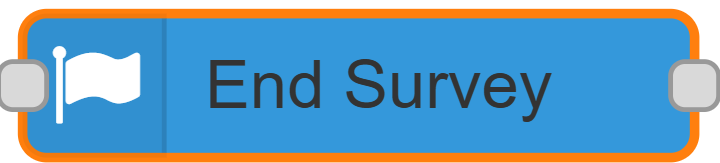 marks a survey as complete for a contact: records the submission, and cleans up the timeout and scheduling state that were tracking that survey while it was in progress. marks a survey as complete for a contact: records the submission, and cleans up the timeout and scheduling state that were tracking that survey while it was in progress.
|
| Plain Message |
The Plain Message node can be used to send messages to the customer via a digital channel like SMS, Facebook, Whatsapp etc.
|
| Form Message |
This node 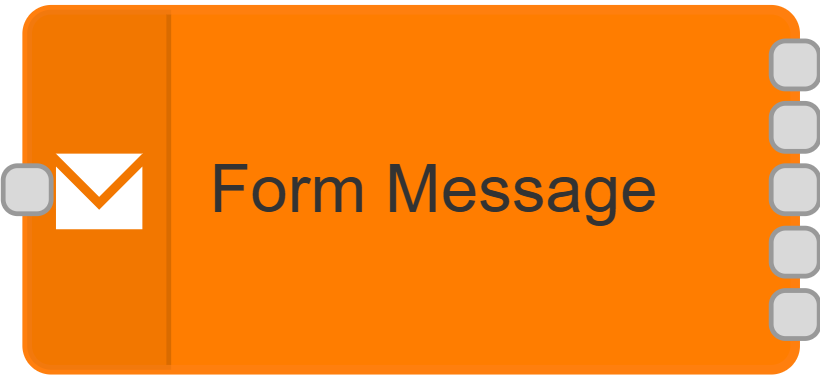 sends one question from a survey form to a customer over a messaging channel, then later routes that customer's reply out a matching output depending on which answer they gave. This single node both sends the question and handles the response that comes back to it. sends one question from a survey form to a customer over a messaging channel, then later routes that customer's reply out a matching output depending on which answer they gave. This single node both sends the question and handles the response that comes back to it.
|
| Decision Node |
Use this node  to make dynamic decision based on the current state of the flow and Conversation Data variables to make dynamic decision based on the current state of the flow and Conversation Data variables
|
| Condition |
This node 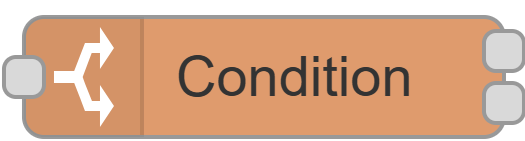 evaluates one or more rules against a contact's attributes and routes the message to one of two outputs depending on whether the contact passes all the rules. evaluates one or more rules against a contact's attributes and routes the message to one of two outputs depending on whether the contact passes all the rules.
|
| Call Decision |
This node 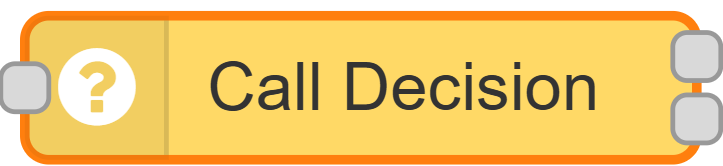 checks the event type on an incoming live call event against a value you choose (Human or Answering Machine), and routes the message to one of two outputs depending on whether it matches. checks the event type on an incoming live call event against a value you choose (Human or Answering Machine), and routes the message to one of two outputs depending on whether it matches.
|
| WhatsApp Node |
This node Unknown Attachment can be used to send messages to the customer via a digital channel Whatsapp.
|
| CCX Cisco Dialer |
This node  can be used to push the contacts within current batch to a specific Cisco CCX campaign. The contacts are then dialed by Cisco CCX. can be used to push the contacts within current batch to a specific Cisco CCX campaign. The contacts are then dialed by Cisco CCX.
|
| Plain Message |
The Plain Message node 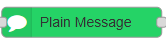 sends a text-based outbound message to a contact over a digital channel. It is used in Non-CX Voice and other digital campaigns where you want to deliver a simple message — without a form, survey, or voice call. sends a text-based outbound message to a contact over a digital channel. It is used in Non-CX Voice and other digital campaigns where you want to deliver a simple message — without a form, survey, or voice call.
The node supports multiple digital channels configured in CCM (Channel Connection Manager). Commonly used channels include:
-
WhatsApp — send plain-text WhatsApp messages to a customer's mobile number
-
SMS — send SMS messages via an SMPP connector or any other configured connector
-
Email — send outbound emails with a subject line and message body
Any other non-voice digital channel configured in CCM (excluding CX Voice and Cisco CC) can also be selected from the Channel dropdown.
|
| Post Attempt Decision |
Use this node  to make dynamic decision based on the current state of the flow and Conversation Data variables to make dynamic decision based on the current state of the flow and Conversation Data variables
|
| CCX Cisco Dialer |
This node  can be used to push the contacts within current batch to a specific Cisco CCX campaign. The contacts are then dialed by Cisco CCX. can be used to push the contacts within current batch to a specific Cisco CCX campaign. The contacts are then dialed by Cisco CCX.
|
| Post Attempt Decision |
Use this node  to make dynamic decision based on the current state of the flow and Conversation Data variables to make dynamic decision based on the current state of the flow and Conversation Data variables
|
| Dial (CX Voice) |
This node 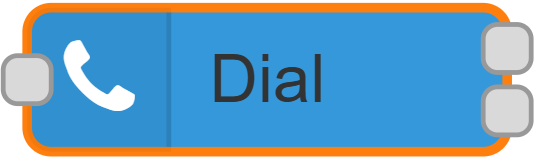 places an outbound call to a contact through your contact center, then reports back on that call's progress and final result through its two outputs. places an outbound call to a contact through your contact center, then reports back on that call's progress and final result through its two outputs.
|
| End Call |
This node tells the dialer to hang up the current call. A terminal action with no outputs — once it runs, the flow for that call ends here.
|
| CCE Cisco Dialer |
The CCE Cisco Dialer node  can be used to push the contacts within current batch to a specific Cisco CCE campaign. The contacts are then dialed by Cisco CCE. can be used to push the contacts within current batch to a specific Cisco CCE campaign. The contacts are then dialed by Cisco CCE.
|
| Check Timezone Window |
This node  is a compliance gate placed after Init (and before Dial or Plain Message). For each contact, it checks whether the contact’s local time falls inside the allowed calling/messaging window for their region, and whether the day is a holiday. is a compliance gate placed after Init (and before Dial or Plain Message). For each contact, it checks whether the contact’s local time falls inside the allowed calling/messaging window for their region, and whether the day is a holiday.
-
If the contact is within the compliance window → the message continues downstream (ALLOWED).
-
If outside the window (or on a holiday) → the contact is rescheduled to the next valid slot (UNDELIVERED + scheduleAfter) and the message is not forwarded.
-
If timezone, region profile, or a future slot cannot be resolved → the contact is marked UNRESOLVED and dropped.
Campaign schedule settings (time window, days, date range) from Campaign Start are also applied when computing the next slot, so both campaign schedule and regional compliance must allow the attempt.
|
| Check Seize Agent Event |
This node  filters messages coming from the Seize Agent node by checking the reservation status in each message. Routes the message to one of two outputs depending on whether the status matches the configured action. filters messages coming from the Seize Agent node by checking the reservation status in each message. Routes the message to one of two outputs depending on whether the status matches the configured action.
|
| Route to Agent |
This node  pulls the next agent waiting in a Seize Agent node's reserved pool and connects a live call to that agent's extension. If no agent is available, the call is ended instead. pulls the next agent waiting in a Seize Agent node's reserved pool and connects a live call to that agent's extension. If no agent is available, the call is ended instead.
|
| Condition |
This node  allows the campaign builder in the conversation studio to set condition-based operations using contact fields against the contacts. allows the campaign builder in the conversation studio to set condition-based operations using contact fields against the contacts.
|
| Batch Load |
This node 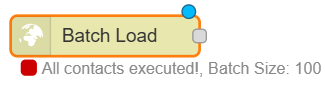 is placed automatically within the Conversation Studio for each campaign when it is created in the Unified Admin. It is responsible for injecting contacts into the flow in batches. The init node waits for the results of the complete batch before pushing next batch into the flow. This node can be used to configure both, the batch and the general campaign settings. is placed automatically within the Conversation Studio for each campaign when it is created in the Unified Admin. It is responsible for injecting contacts into the flow in batches. The init node waits for the results of the complete batch before pushing next batch into the flow. This node can be used to configure both, the batch and the general campaign settings.
|
| Init Node |
This node  pulls contacts for the campaign and sends them into the flow one at a time. The campaign's contacts come from its contact source (Customer Filter or file), which is set in the campaign configuration in Unified Admin. See Contact Source for the selected Campaign. The number of contacts released into the flow is controlled by a configurable query. pulls contacts for the campaign and sends them into the flow one at a time. The campaign's contacts come from its contact source (Customer Filter or file), which is set in the campaign configuration in Unified Admin. See Contact Source for the selected Campaign. The number of contacts released into the flow is controlled by a configurable query.
|